Far more than
three names
The Three Kingdoms, Confucius, and the Buddha are the entry points, not the whole map. 21 figures and schools across China, Korea, Japan, and India, with enough material to fuel the platform for years.
中國
China
The deepest well: a thousand years of competing schools.
From the Hundred Schools of the Warring States to the Neo-Confucian revival, China produced rival answers to every question of ethics, power, and nature, and argued them out for two millennia.
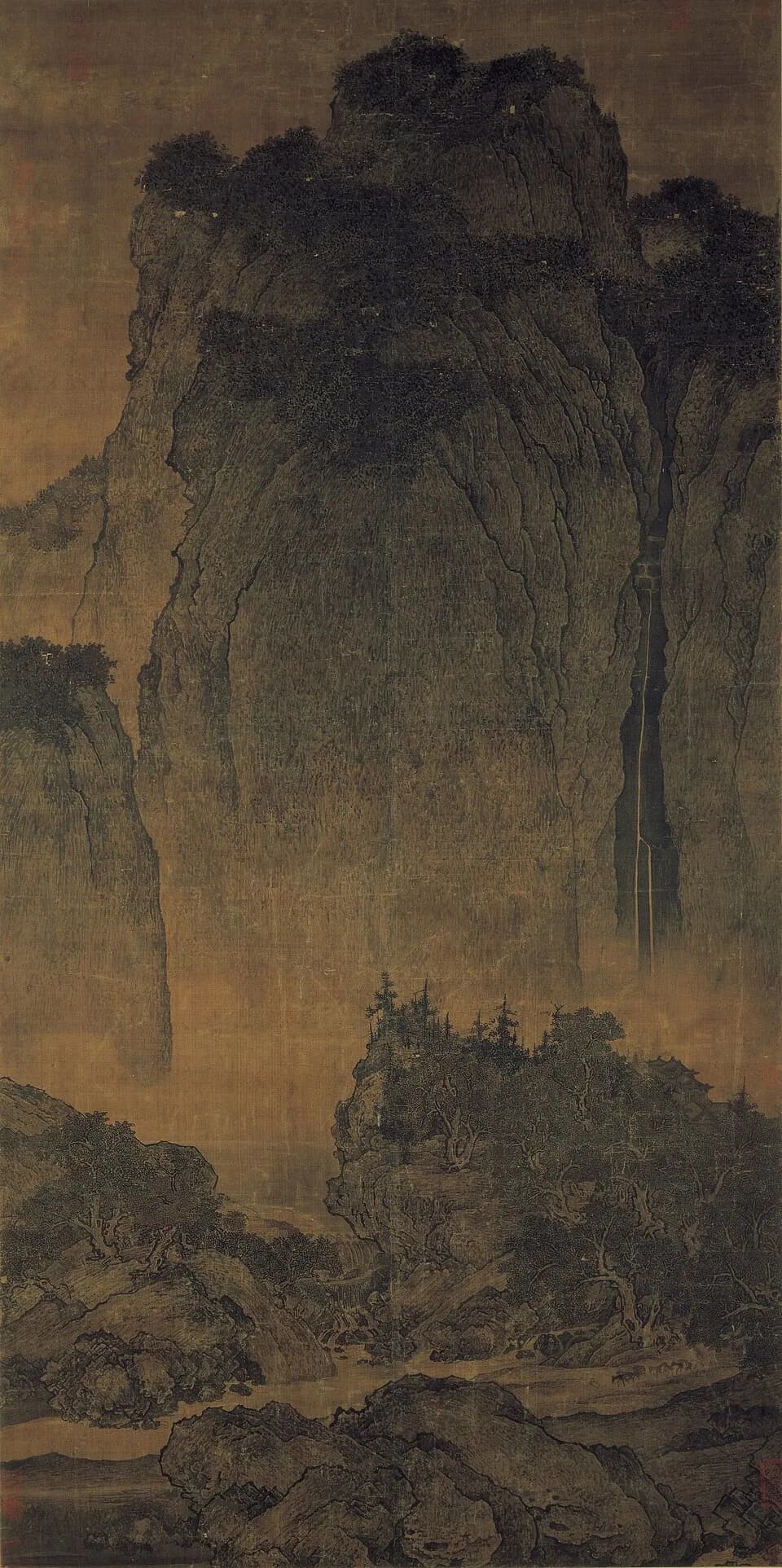

孔子 · 孟子
Confucius and Mencius
551–479 BCE · c. 372–289 BCE
The ethics of the cultivated person
Confucius made goodness something learned; Mencius argued it was already in us, waiting to be cultivated.
老子 · 莊子
Laozi and Zhuangzi
6th–4th c. BCE (traditional) · c. 369–286 BCE
The Daoist art of yielding
Water over stone, the useless tree, the butterfly dream: the quiet counterweight to Confucian striving.
孫武 · 孫臏
Sun Tzu and Sun Bin
c. 544–496 BCE (traditional) · 4th century BCE
The science of winning before the fight
Sun Tzu wrote the theory; his descendant Sun Bin, crippled by a rival, won with it at Maling in 342 BCE.
韓非
Han Feizi and the Legalists
c. 280–233 BCE
Power without illusions
Law, method, and authority in place of virtue: the doctrine that armed the Qin to unify China in 221 BCE.
諸葛亮
Zhuge Liang
181–234 CE
The strategist-sage of the Three Kingdoms
Chancellor of Shu Han, inventor by legend, and the model of the loyal minister for every generation since.
朱熹 · 王陽明
Zhu Xi and Wang Yangming
1130–1200 · 1472–1529
The Neo-Confucian revival
Zhu Xi systematized the canon for the examinations; Wang Yangming insisted that knowing and doing are one.