
Skip to content

藝

Five thousand years
of Asian art

From Neolithic jade to the Great Wave: 82 works across China, Korea, Japan, and India, in 24 chapters.

Enter the gallery

Four to begin with

One masterpiece from each tradition

Finches and bambooEmperor Huizong · Early 12th century

Huizong was a disastrous emperor and a brilliant artist. Under him the painting academy prized close observation; in 1127 the Jurchen captured him, and the Northern Song fell.

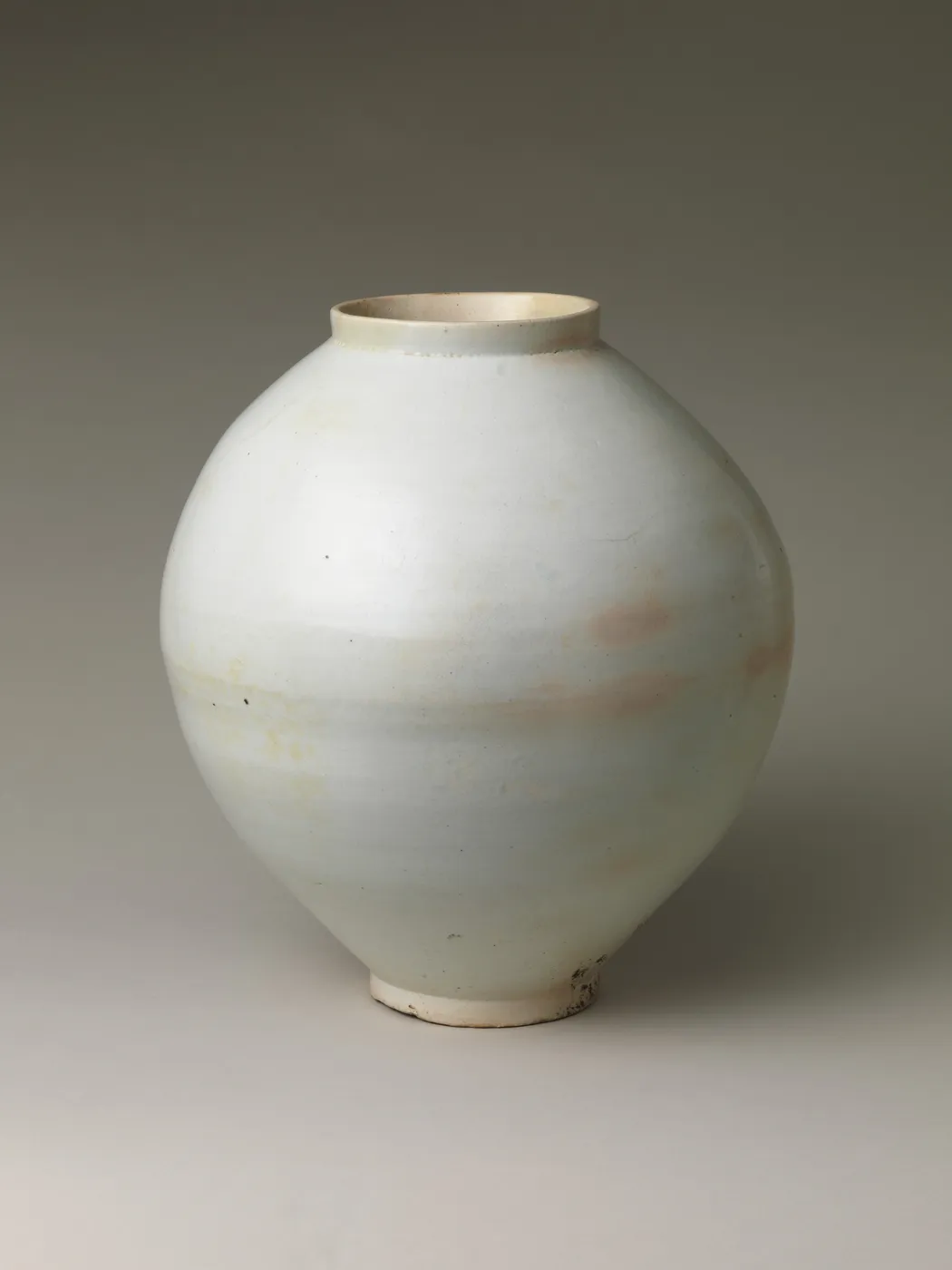
Moon jarSecond half 18th century

Made by joining two hemispheres, the moon jar is never perfectly round. Its plain white surface embodies Joseon Confucian ideals of modesty and naturalness.

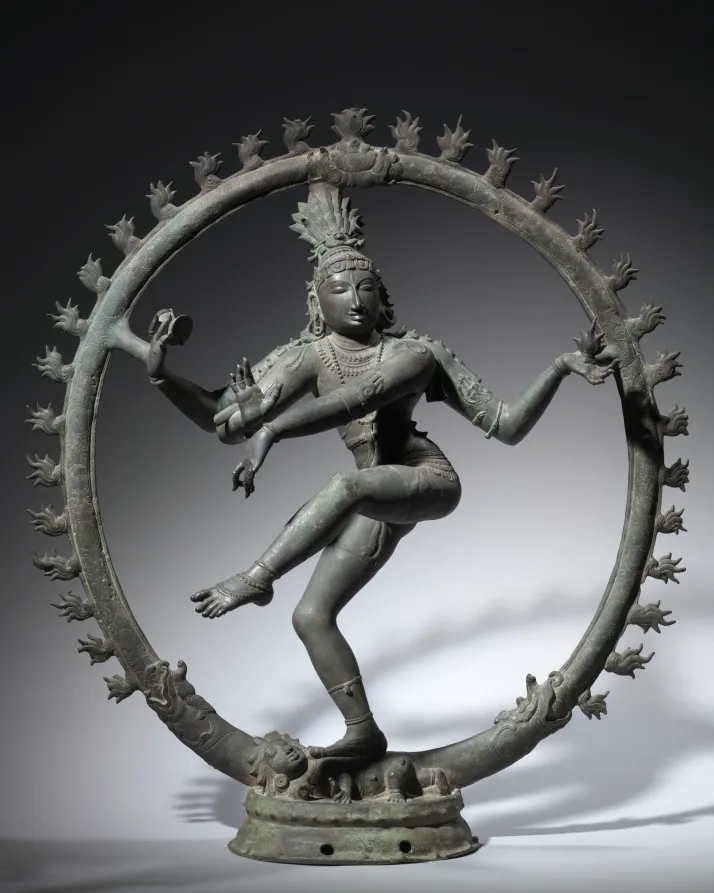
Nataraja, Shiva as the Lord of Dance1000s

Shiva dances within a ring of fire, destroying the universe so it can be renewed. Chola bronzes were cast by lost wax and carried in temple processions.

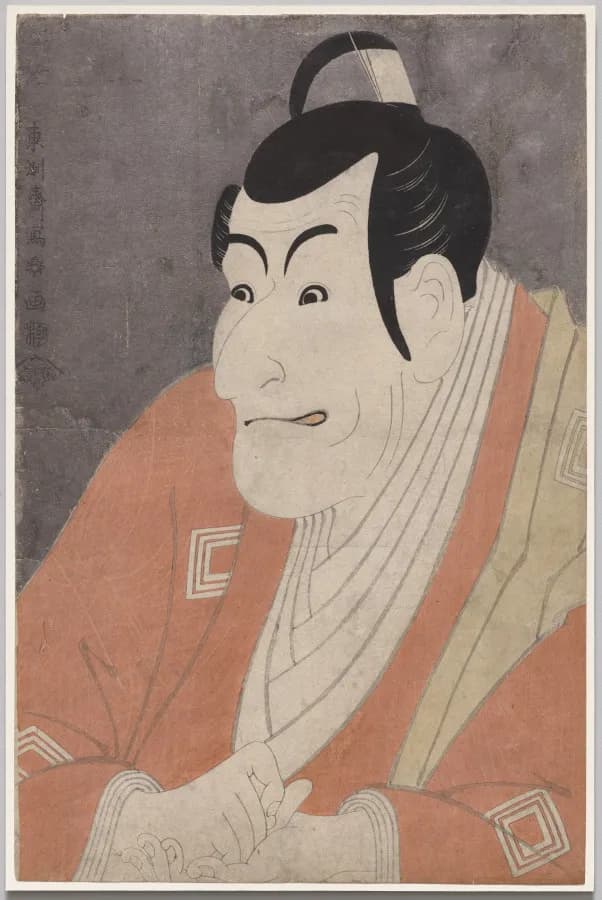
Ichikawa Ebizō IV (Danjurō) as Takemura Sadanoshin in The Loving Wife's Parti-Colored ReinsTōshūsai Sharaku · 1794

Sharaku produced around 140 kabuki actor prints in ten months and then vanished. His exaggerated, almost caricatured faces were too frank for many buyers.

The history, chapter by chapter

Walk through the rooms

Choose a civilization. Each chapter introduces a period or movement, what to look for, and the works that define it.

中國 · c. 3300 BCE – 1912

  1. 01玉器青銅

    Jade and bronze

    c. 3300–221 BCE

    Before painting, there was ritual. Neolithic cultures carved jade, the hardest stone they knew, into discs and tubes for the dead; the Shang and Zhou cast bronze vessels to feed their ancestors. These were the most valuable objects in early China, and the beginning of its visual language.

    Look for

    • The taotie mask, a staring face that dissolves into pattern
    • Mold seams: Chinese bronzes were cast in clay piece-molds, not lost wax
    • Jade worked by abrasion, a grain of sand at a time
    Ritual object (cong)Ca. 2400 BCE
    Ritual Wine Vessel (Jiao)Late 11th century BCE
  2. 02明器

    Armies for the afterlife

    206 BCE–907 CE

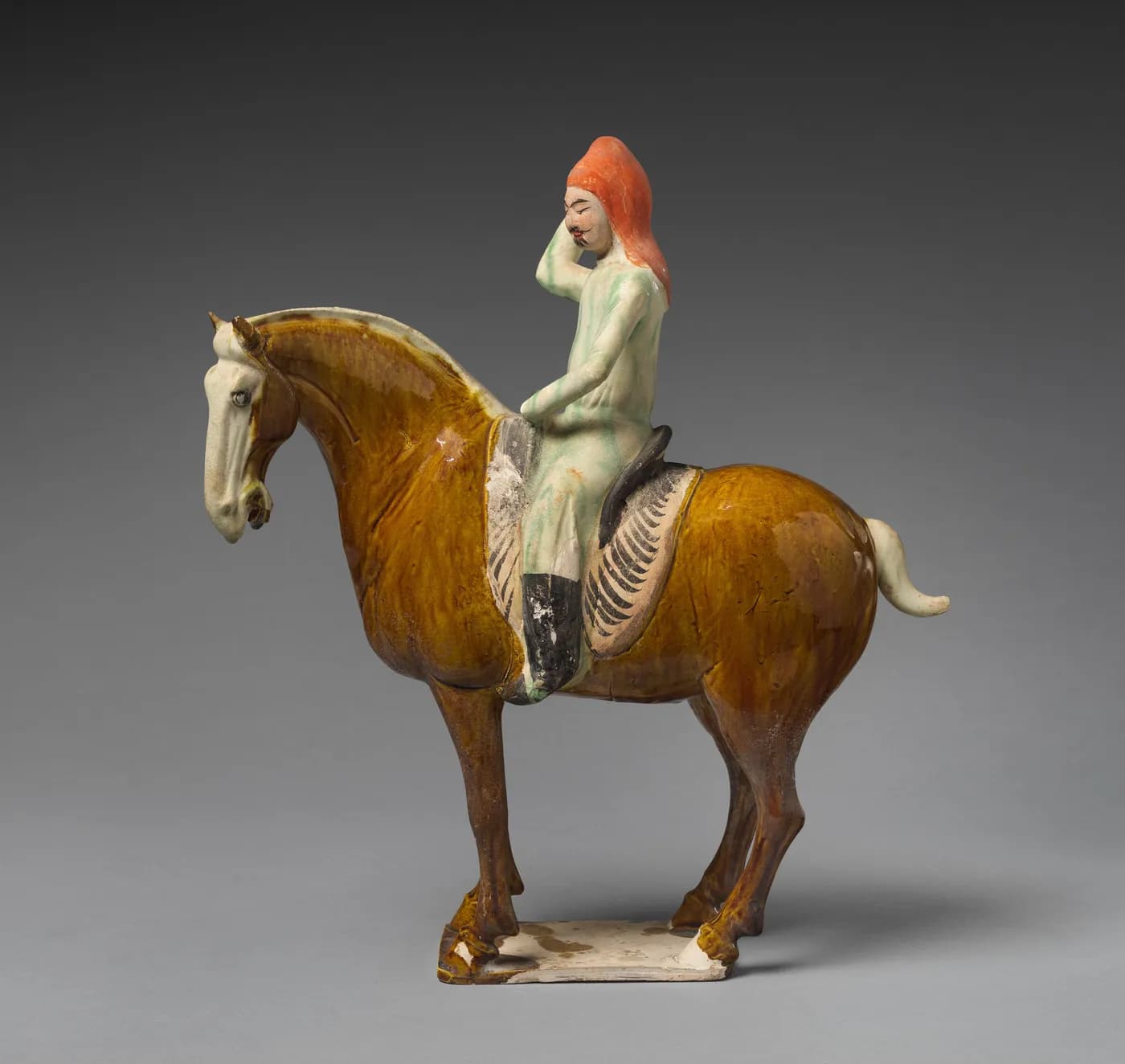
    The Han and Tang buried their dead with mingqi, spirit goods: horses, camels, dancers, guardians, houses. Made to be seen by no one, they now tell us more about daily life, trade, and fashion along the Silk Road than any written record.

    Look for

    • Sancai, the three-colour lead glaze of the Tang
    • Foreign grooms and merchants with Central Asian features
    • Horses modelled on prized breeds from Ferghana
    Horse and rider1st–2nd century CE
    Camel7th–8th century
    Horse and riderEarly 8th century
  3. 03佛教造像

    The Buddha arrives

    386–618

    Buddhism reached China along the Silk Road, and with it the image of the Buddha. Over two centuries Chinese sculptors transformed foreign models into their own, from the slender, flame-haloed figures of the Northern Wei to the fuller, calmer forms of the Northern Qi cave temples.

    Look for

    • Dated inscriptions on bronze altarpieces
    • Elongated bodies and cascading drapery in Northern Wei style
    • Rounder, columnar forms as Indian Gupta influence arrives
    Buddha Maitreya (Mile)Dated 486
    Head of BuddhaC. 570
  4. 04山水

    Mountains and water

    960–1279

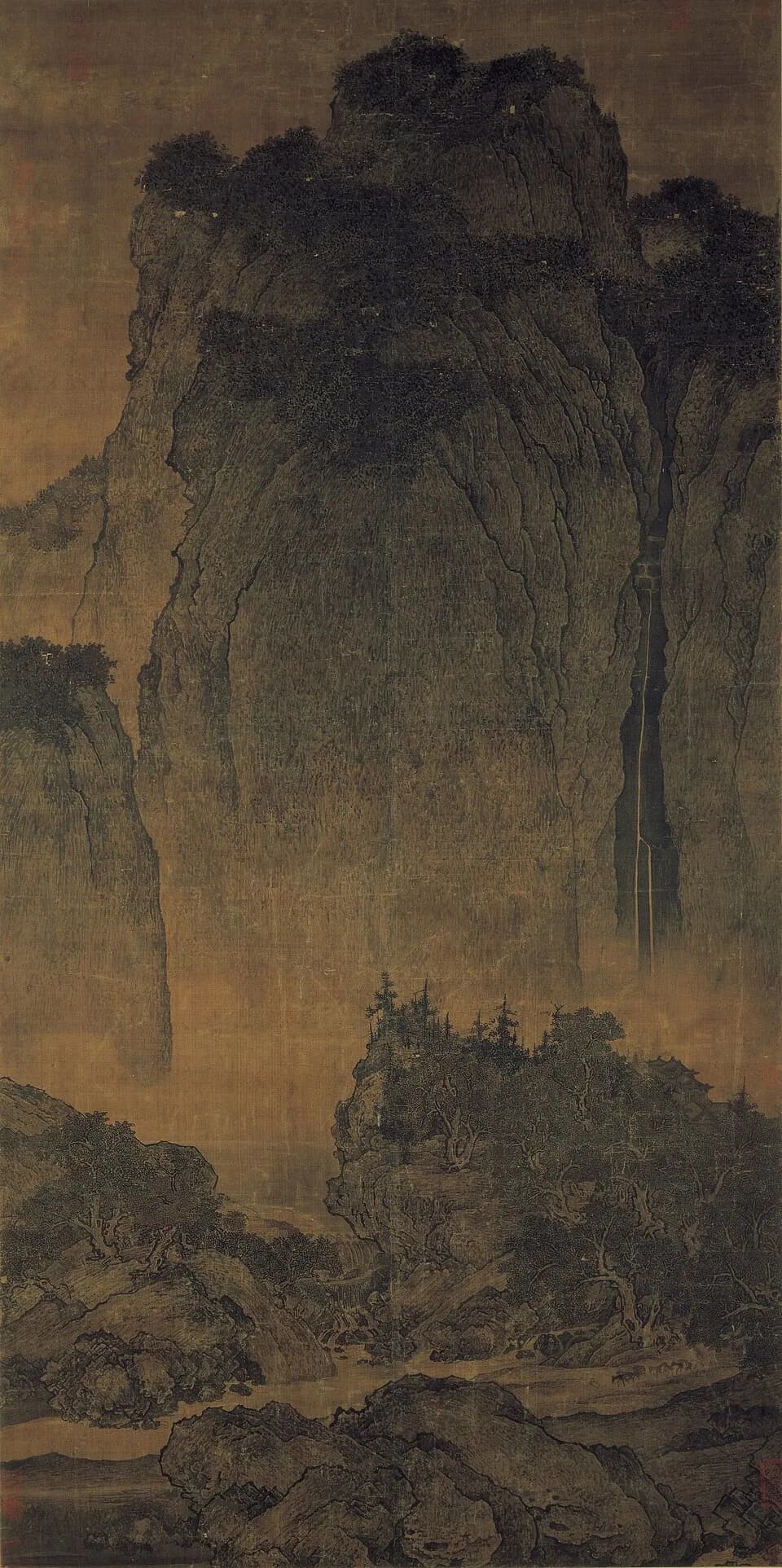
    The Chinese word for landscape is shanshui, mountains and water. Under the Song it became the highest subject in painting: monumental northern peaks that dwarf the traveller, then southern corners of mist where empty silk does half the work.

    Look for

    • Tiny figures that set the scale of the world
    • Three distances: high, deep, and level
    • Empty space used as mist, water, and air
    Travelers Among Mountains and StreamsFan Kuan · Early 11th century
    Early SpringGuo Xi · 1072
    Old Trees, Level DistanceGuo Xi · Ca. 1080
    Finches and bambooEmperor Huizong · Early 12th century
    Along the River During the Qingming FestivalAttributed to Zhang Zeduan · 12th century
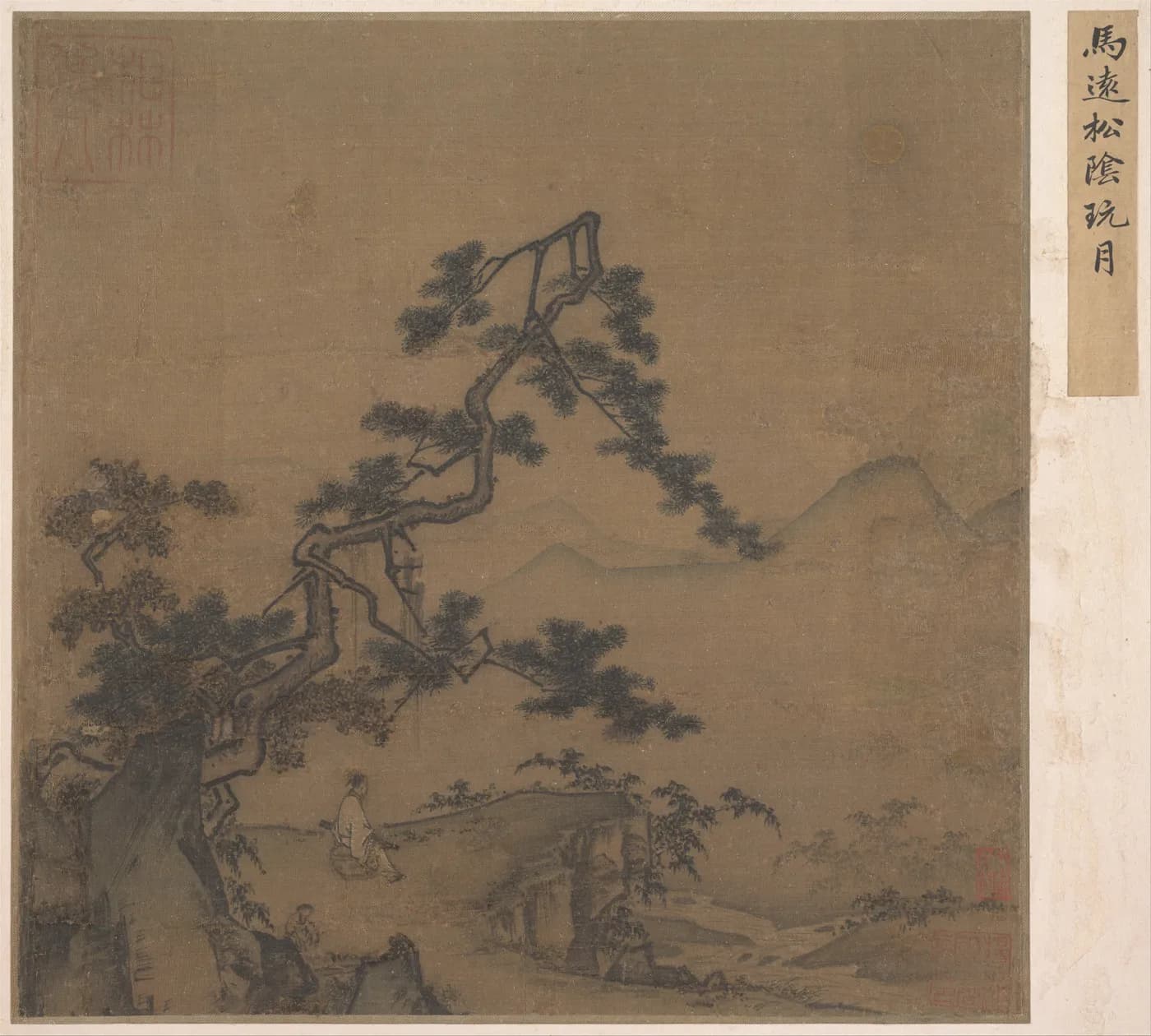
    Viewing the Moon under a Pine TreeMa Yuan · Early 13th century
    Returning Home in a Driving RainXia Gui · Early 13th century
    Ten Thousand Ripples on the Yangzi, from the Water AlbumMa Yuan · C. 1222
  5. 05書法

    The line itself

    Song dynasty masters

    In China, writing was the supreme art, ranked above painting. A line of calligraphy cannot be corrected, so it was read as a direct trace of the writer's character and state of mind. Song masters broke with formal models to make the brush expressive.

    Look for

    • Speed and pressure readable in each stroke
    • Collectors' red seals accumulated over centuries
    • The rhythm of the whole column, not single characters
    Biographies of Lian Po and Lin XiangruHuang Tingjian · Ca. 1095
    Poem Written in a Boat on the Wu RiverMi Fu · Ca. 1095
  6. 06文人畫

    The scholar's brush

    1271–1644

    When the Mongols conquered China, many scholars refused to serve and painted instead, for themselves and their friends. Literati painting valued personal expression over technical polish: dry brush, sparse compositions, and poems written directly on the picture.

    Look for

    • Inscriptions by the painter and later admirers
    • Bamboo, rocks, and empty pavilions as self-portraits
    • Painting in the manner of an earlier master
    Grooms and horsesZhao Mengfu · Dated 1296 and 1359
    Bamboo after Wen TongKe Jiusi · 1343
    Red Cliffs and Green ValleysWang Meng · Ca. 1367
    Woods and Valleys of Mount YuNi Zan · Dated 1372
    Silent fisherman in an autumn woodShen Zhou · Dated 1475
    Gazing at a WaterfallTang Yin · C. 1500
    Landscape with Trees in the Manner of Ni Zan (1301–1374)Dong Qichang · Ca. 1622–25
  7. 07清代

    Individualists and the court

    1644–1912

    The Manchu conquest split Chinese art in two. Loyal survivors of the Ming, like Bada Shanren and Shitao, painted strange and personal works; at court, the orthodox masters produced vast imperial commissions recording the emperor's power.

    Look for

    • Eccentric, abbreviated brushwork
    • Enormous handscrolls documenting imperial tours
    • Self-conscious dialogue with the old masters
    The Kangxi Emperor's Southern Inspection Tour, Scroll Three: Ji'nan to Mount TaiWang Hui · Datable to 1698
    Landscape albumBada Shanren (Zhu Da) · Dated 1699
    Thirty-six Peaks of Mount Huang RecollectedShitao (Zhu Ruoji) · Ca. 1705
  8. 08瓷

    Fire and glaze

    10th–15th centuries

    China invented porcelain, and for a thousand years its kilns led the world. Song potters chased the colours of jade and ivory in quiet monochrome glazes; the Ming filled Jingdezhen porcelain with cobalt blue and shipped it across the globe.

    Look for

    • Crackle in the glaze, prized rather than hidden
    • Imperial reign marks on the base
    • Monochrome restraint versus painted blue-and-white
    Bowl with Peonies12th–13th century
    Bottle vase13th century
    Jar with dragonEarly 15th century

Look closer · 清明上河圖

Unroll a twelfth-century city

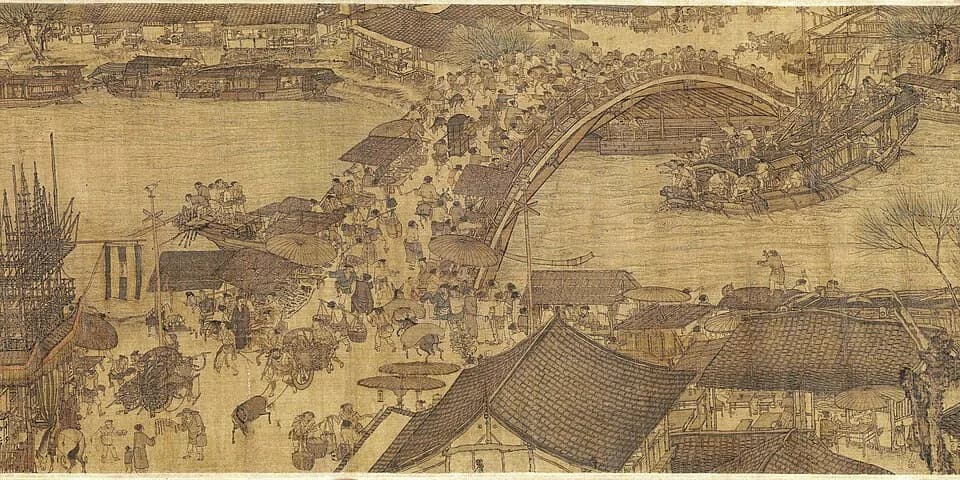
Along the River During the Qingming Festival, attributed to Zhang Zeduan. Handscrolls are read from right to left, an arm's length at a time. Keep scrolling to unroll it.

Along the River During the Qingming Festival, attributed to Zhang Zeduan, the full handscroll

1 of 6

Morning in the countryside

The scroll opens at the right, in quiet fields and bare willows. Pack donkeys and travellers set off toward the capital.

Materials and methods

How it was made

The look of Asian art comes from its materials: ink ground on stone, silk rolled into scrolls, porcelain fired hotter than any European kiln of its time.

文房四寶

Ink and the four treasures

Brush, ink stick, ink stone, and paper: the scholar's four treasures. Ink is ground fresh with water on the stone, and one stick yields every tone from pale grey mist to glossy black.

Pictured: Woods and Valleys of Mount Yu
手卷

Silk and the handscroll

A handscroll is unrolled an arm's length at a time, from right to left, so the viewer travels through time and space. It was never meant to be seen all at once.

Pictured: Along the River During the Qingming Festival

瓷器

Porcelain and celadon

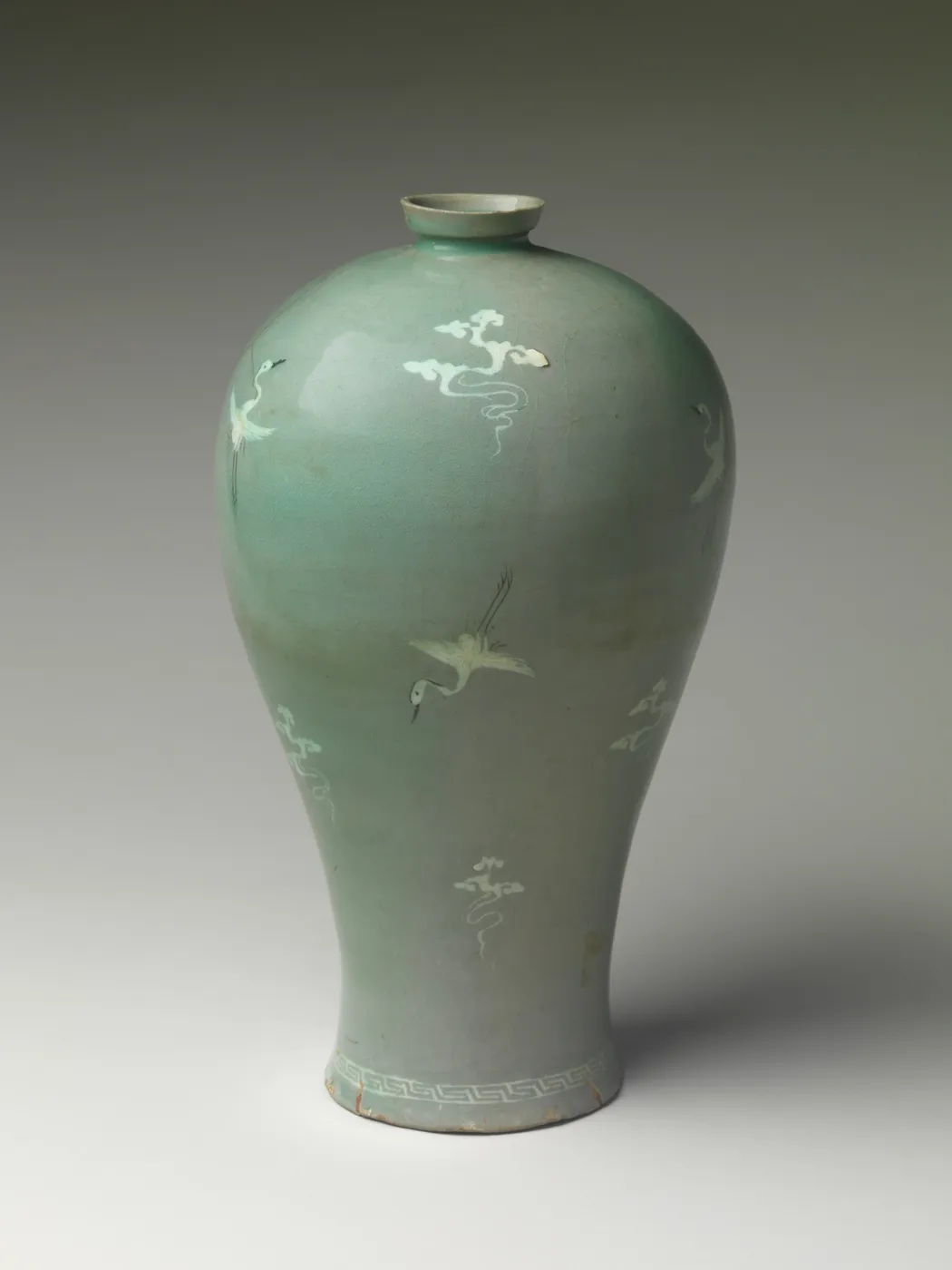
Porcelain needs kaolin clay and kilns above 1,280 °C. Celadon's green comes from a small amount of iron fired in a kiln starved of oxygen.

Pictured: Maebyeong (plum bottle) decorated with cranes and clouds

木版

The woodblock

A publisher, a designer, a carver, and a printer: ukiyo-e was a team sport. Each colour needed its own carved block, aligned by hand with registration notches called kento.

Pictured: Under the Wave off Kanagawa (The Great Wave)

金屏風

Gold-leaf screens

Squares of hammered gold leaf were laid across folding screens, which stood in dim halls and caught lamplight. Momoyama warlords used them to dazzle visitors.

Pictured: Birds and Flowers

鑄造

Casting the gods

China cast ritual bronzes in assembled clay piece-molds. India, Korea, and Japan cast Buddhist and Hindu images by the lost-wax method: a wax model, coated in clay, melted out and replaced by metal.

Pictured: Nataraja, Shiva as the Lord of Dance

The whole collection

The gallery wall

Filter by tradition and medium, search for an artist or a material, and select any work to look closer.

Civilization

82 works

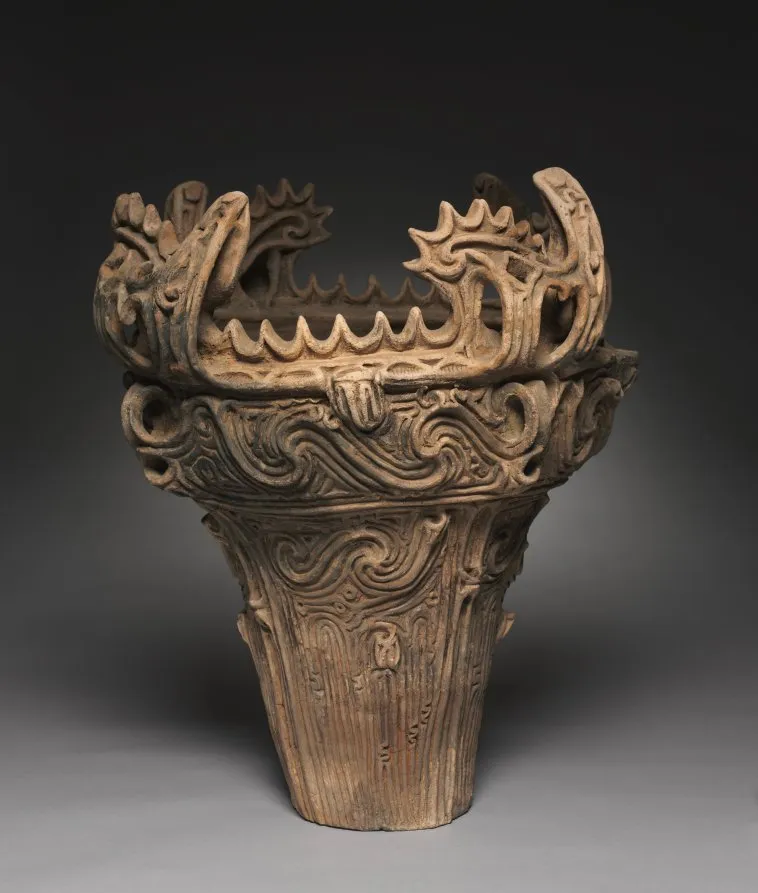
Fire-flame Cooking Vessel (Ka'en Doki)C. 2500 BCE
Ritual object (cong)Ca. 2400 BCE
Seal with Unicorn and InscriptionC. 2000 BCE
Ritual Wine Vessel (Jiao)Late 11th century BCE
Nature Divinity (Yakshi)C. 75 CE
Horse and rider1st–2nd century CE
Corner Railing Pillar with Drinking Scenes, Yakshis, and Musicians100s CE
Standing Buddha150–200 CE
Standing BuddhaUnknown sculptor · C. 2nd–3rd century
Haniwa Horse400s–500s CE
Head of Buddha400s CE
Buddha Maitreya (Mile)Dated 486
Head of BuddhaC. 570
Camel7th–8th century
Horse and riderEarly 8th century
Surya, the Sun GodEarly 700s
Standing Avalokitesvara700s
Dancing GaneshaC. 1000
Travelers Among Mountains and StreamsFan Kuan · Early 11th century
Lovers (Mithuna)1000s
Nataraja, Shiva as the Lord of Dance1000s
Early SpringGuo Xi · 1072
Old Trees, Level DistanceGuo Xi · Ca. 1080
Biographies of Lian Po and Lin XiangruHuang Tingjian · Ca. 1095
Poem Written in a Boat on the Wu RiverMi Fu · Ca. 1095
Seated Buddha1100s
Finches and bambooEmperor Huizong · Early 12th century
Along the River During the Qingming FestivalAttributed to Zhang Zeduan · 12th century
Bowl with Peonies12th–13th century
Wine Ewer with Incised Bamboo Shoot Design1100s
Maebyeong (plum bottle) decorated with cranes and cloudsSecond half 12th century
Viewing the Moon under a Pine TreeMa Yuan · Early 13th century
Returning Home in a Driving RainXia Gui · Early 13th century
Ten Thousand Ripples on the Yangzi, from the Water AlbumMa Yuan · C. 1222
Bottle vase13th century
Grooms and horsesZhao Mengfu · Dated 1296 and 1359
Portrait of Hottō Enmyō KokushiC. 1295–1315
Bamboo after Wen TongKe Jiusi · 1343
Seated Amitabha1300s
Red Cliffs and Green ValleysWang Meng · Ca. 1367
Woods and Valleys of Mount YuNi Zan · Dated 1372
The Fourth King of HellLate 1300s
Jar with dragonEarly 15th century
Silent fisherman in an autumn woodShen Zhou · Dated 1475
Splashed-ink Landscape (Haboku sansui)Sesshu Toyo · 1495
Gazing at a WaterfallTang Yin · C. 1500
Flask-shaped bottleLate 15th–early 16th century
The merchant’s daughter meets the gardener, from a Tuti-nama (Tales of a Parrot): Twelfth NightC. 1560
Birds and Flowers in a Landscape of the Four SeasonsAttributed to Sesshu Toyo · 1550–99
Birds and FlowersKano Mitsunobu; Kano Shōei · Late 1500s
A CoupleHasegawa Sōen · Late 1500s
Pine Trees (Shorin-zu byobu)Hasegawa Tohaku · C. 1595
Landscape with FishermenYi Bul-hae · 1600s
Tea BowlC. 1600
Akbar supervising the capture of wild elephants at Malwa in 1564, painting 90 from an Akbar-nama (Book of Akbar) of Abu’l Fazl (Indian 1551–1602)Farukh Chela; Govardhan; Dhanraj · C. 1602–3; borders added c. 1700s
Landscape with Trees in the Manner of Ni Zan (1301–1374)Dong Qichang · Ca. 1622–25
Suit of Armor (Gusoku-type)1600s
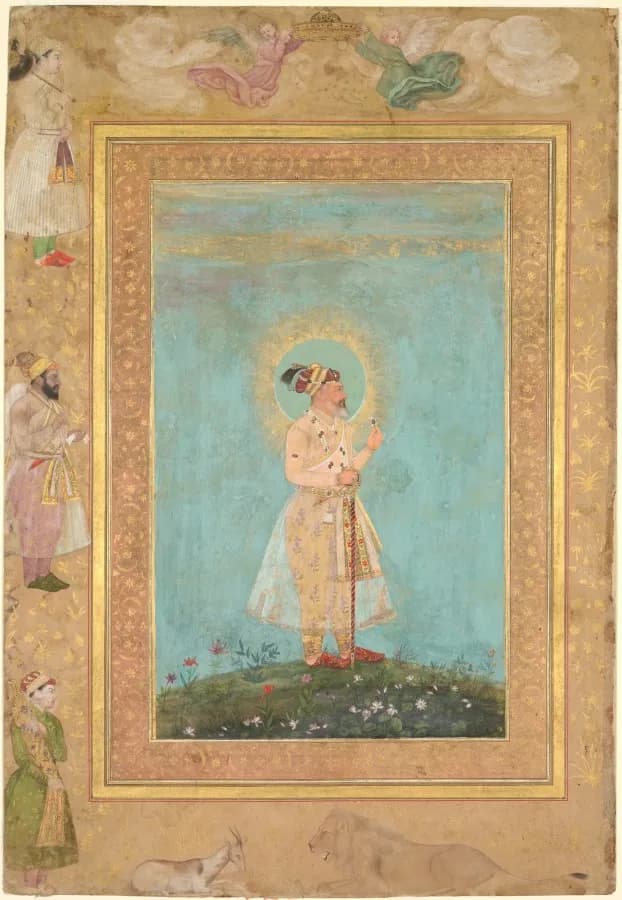
Shah Jahan holding a spinel and a long Deccan sword, from the Late Shah Jahan AlbumHashim · C. 1650
Krishna Under a CanopyC. 1680
The Kangxi Emperor's Southern Inspection Tour, Scroll Three: Ji'nan to Mount TaiWang Hui · Datable to 1698
Landscape albumBada Shanren (Zhu Da) · Dated 1699
Square Dish with Design of Plovers over WavesOgata Kōrin; Ogata Kenzan · C. 1700
Thirty-six Peaks of Mount Huang RecollectedShitao (Zhu Ruoji) · Ca. 1705
Panoramic View of the Diamond Mountains (Geumgang jeondo)Jeong Seon · 1734
Figure of a WomanHakuin Ekaku · Early to mid-1700s
Jar1700s
Clearing after Rain on Mount Inwang (Inwangjesaekdo)Jeong Seon · 1751
Moon jarSecond half 18th century
Lotus and DragonfliesKim Hong-do · Late 18th century
Raja Sansar Chand attacking Kangra FortAfter 1782
The Flirtatious Type, from Ten Types in the Physiognomy of WomenKitagawa Utamaro · C. 1793
Ichikawa Ebizō IV (Danjurō) as Takemura Sadanoshin in The Loving Wife's Parti-Colored ReinsTōshūsai Sharaku · 1794
The heroine who waits anxiously for her absent lover (Utka Nayika)C. 1800
Paulownias and ChrysanthemumsSakai Hōitsu · Early 1800s
Under the Wave off Kanagawa (The Great Wave)Katsushika Hokusai · C. 1831
Fine Wind, Clear Morning (Red Fuji)Katsushika Hokusai · C. 1831
Kajikazawa in Kai ProvinceKatsushika Hokusai · C. 1831
Ono Waterfall on the Kiso Road (from the series a Tour of Waterfalls in the Provinces)Katsushika Hokusai · Early 1830s
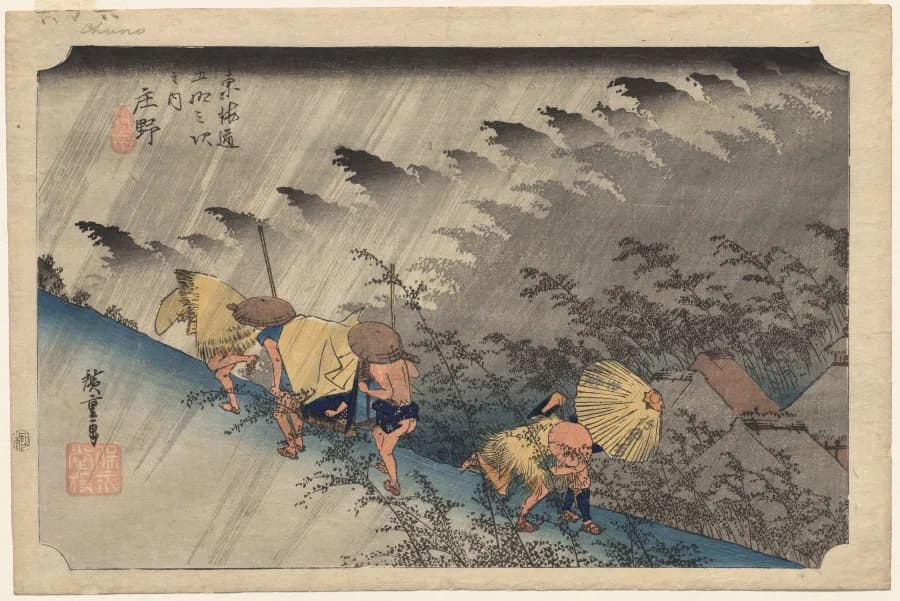
Driving Rain at Shōno, from Fifty-Three Stations of the TokaidōUtagawa Hiroshige · 1833
Dragon over Mount FujiKatsushika Hokusai · 1849
Tiger FamilyLate 1800s
Munja-Chaekgeori Screen (Character-Books Screen)Early 1900s

Images and object data come from the open-access collections of The Metropolitan Museum of Art and the Cleveland Museum of Art (CC0), and from public domain files on Wikimedia Commons. Each work links to its source. Notes are by The Eastern Canon.