Skip to content

Bushido and strategy · Japan

The Book of Five Rings

五輪書

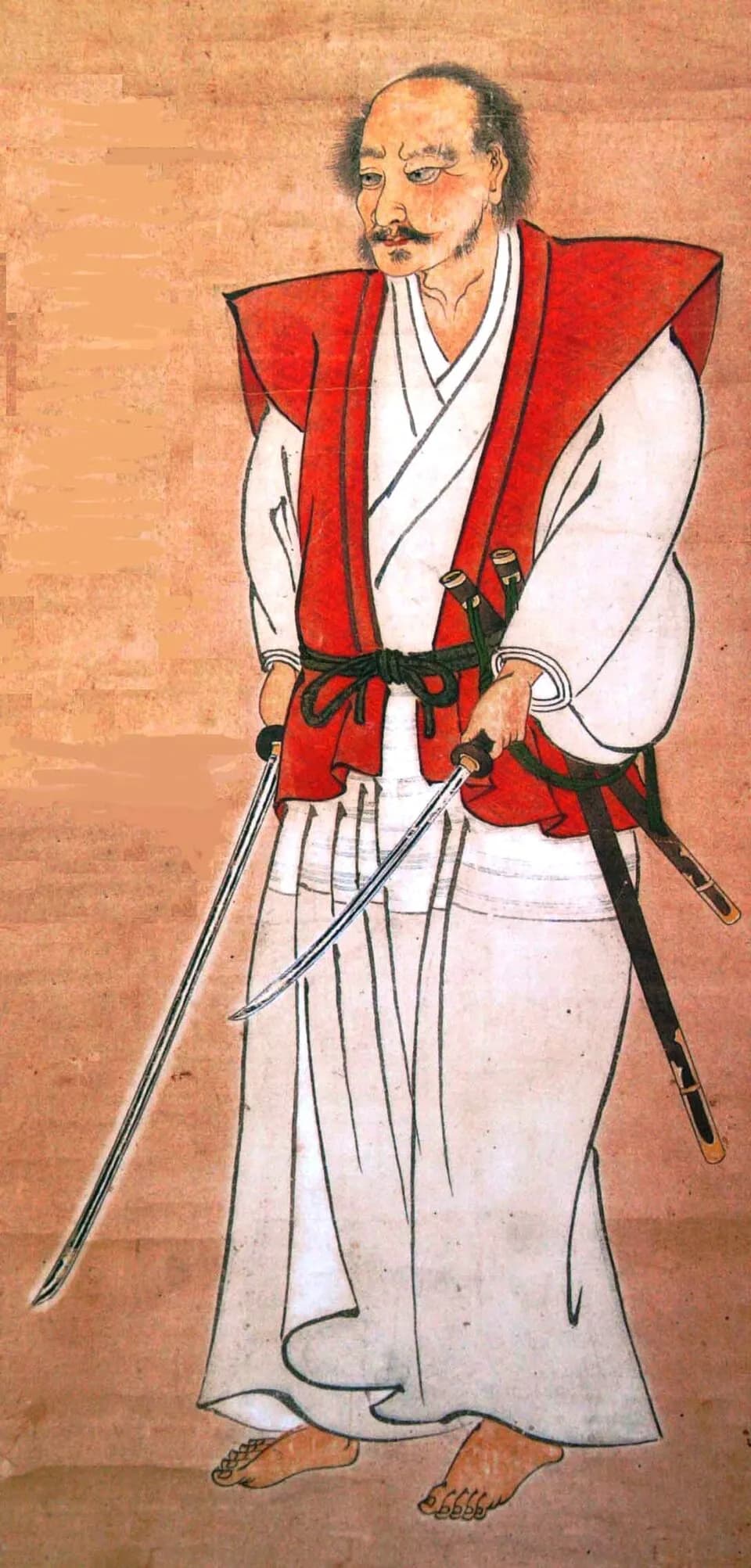
Miyamoto Musashi · 1645

A duelist who never lost distills swordsmanship into a philosophy.

Timing, perception, and the void, written in a cave at the end of Musashi's life.

The essence

What it is really about

Musashi wrote that the principles of strategy apply to everything: carpentry, commerce, and command as much as the sword. The Book of Five Rings is blunt and practical, obsessed with training, perception, and the rhythm of an opponent.

Historical context

Where it came from

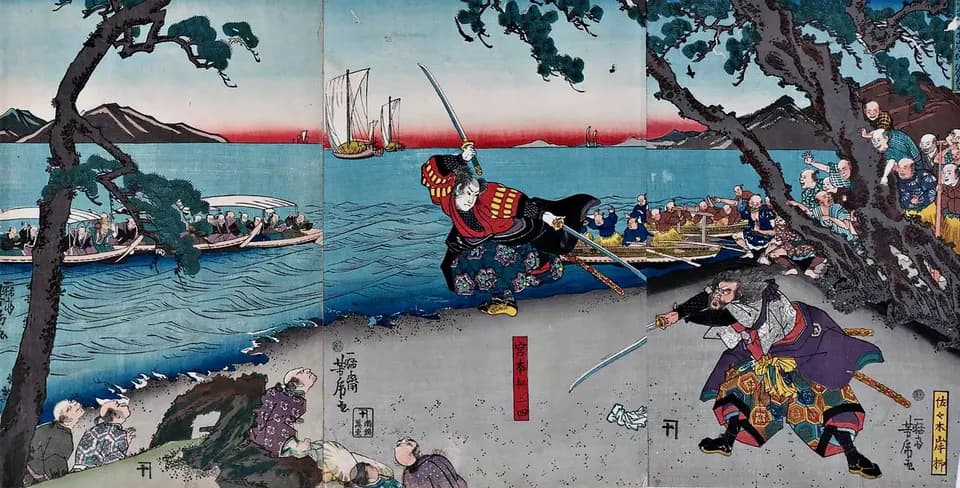
Musashi claimed more than sixty duels without a loss, the most famous against Sasaki Kojiro on Ganryu Island in 1612. In his final years he retired to the Reigando cave near Kumamoto and dictated the five scrolls to a student weeks before his death in 1645.

Key ideas

The concepts to carry with you

  • Earth

    The ground of strategy: training, craft, and the nine principles.

  • Water

    Fluid technique and a calm, adaptable spirit.

  • Fire

    The heat of combat: timing, initiative, unsettling the opponent.

  • Wind

    Knowing other schools, and their weaknesses.

  • Void

    Mastery beyond technique, where the mind is clear.

In the deep dive

  • Earth, Water, Fire, Wind, and Void, the five scrolls decoded
  • How a samurai's combat theory became a boardroom classic

Living translations

Read it in the original

Each passage is cited and credited. Classical lines open character by character: the reading, the sense, and what is hiding inside a single character. Paraphrases are marked where the best translations are still under copyright.

  1. 01

    Earth scroll, the nine principles

    Paraphrase
    Do not think dishonestly. The Way is in training. Become acquainted with every art and the ways of every profession. Distinguish gain from loss. Develop intuitive judgement. Perceive what cannot be seen. Pay attention even to trifles. Do nothing that is of no use.
    Paraphrase of Musashi (1645)disciplinetrainingpracticefocus
  2. 02

    Water scroll, on the gaze

    Paraphrase
    Let your gaze be broad. There is perception and there is sight: perception is strong, sight is weak. See distant things as if they were close and close things as if they were distant.
    Paraphrase of Musashi (1645)perceptionawarenessperspectivestrategy
  3. 03

    Water scroll, on the spirit

    Paraphrase
    In strategy your spirit should be no different from ordinary life: calm, neither tense nor reckless, never letting the mind stop. Like water, it takes the shape of its vessel, a drop or an ocean.
    Paraphrase of Musashi (1645)calmwateradaptabilitypressure
  4. 04

    Fire scroll, on timing

    Paraphrase
    There is timing in everything. Learn the rhythm of the opponent, then do what he does not expect: when he is hurried, be slow; when he waits, move. To win is to disturb his rhythm while keeping your own.
    Paraphrase of Musashi (1645)timingrhythmpsychologycompetition
  5. 05

    Fire scroll, to become the enemy

    Paraphrase
    Put yourself in the enemy's position. Seen from inside, a fortified opponent is often weaker and more afraid than he looks from outside.
    Paraphrase of Musashi (1645)empathystrategyfearrivalry
  6. 06

    Void scroll

    Paraphrase
    The void is that which has no beginning and no end. Knowing what exists, you can know what does not. When the spirit is cleared of clouds of confusion, that is the true void.
    Paraphrase of Musashi (1645)emptinessclaritymasterymind

A modern translation

Why it still matters

Musashi's insistence on perception over sight, and on breaking an opponent's rhythm, translates directly to sport, negotiation, and competitive markets.

Map it onto your own decision

Go a layer deeper